Oakland County Court serves residents and businesses throughout Oakland County, Michigan. As part of the Michigan county courts system, it handles civil, criminal, family, and probate cases while offering essential public justice services. People often look for the court to identify the correct division, file legal documents, or find information about ongoing cases. The court also provides forms, schedules, and resources that help residents manage legal matters efficiently.
This page provides a clear overview of Oakland County Court, including its divisions, available services, and contact points. Visitors can quickly see where to go for specific matters, how the court operates, and what resources are available for civil or criminal proceedings within the local court system. It also highlights office locations, phone numbers, and service hours to make contacting the court easier. In addition, it explains common procedures for filing cases, attending hearings, and understanding court schedules so residents can plan their visits effectively.
What is the Oakland County Judiciary System
The Oakland County judiciary operates through a structured network of courts that manage civil, criminal, probate, and specialized legal matters. Its system ensures that cases are directed to the appropriate court based on their type and complexity, providing residents with clear and efficient legal processes.
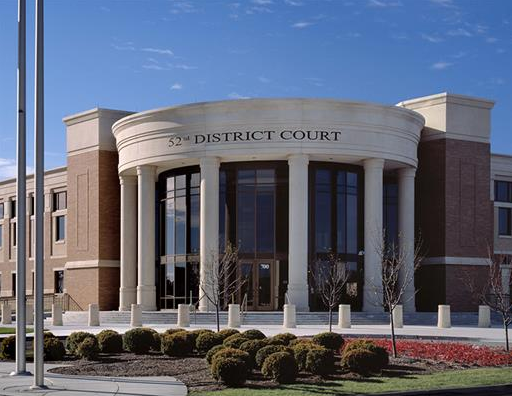
Oakland County, located in Michigan, is served primarily by the 6th Judicial Circuit Court (Circuit Court), several district courts, and the Oakland County Probate Court. Each court has a specific role within the county’s judicial system, which forms part of Michigan’s broader network of county courts. The term “county courts MI” generally refers to courts that operate at the county level, handling local civil, criminal, and administrative matters while working alongside state courts for appeals or broader legal issues.
Main Courts and Their Jurisdiction
- Circuit Court (6th Judicial Circuit): Handles major civil and criminal cases, including felony trials and appeals from district courts. It also has specialized divisions for Family, Business, Juvenile, and Treatment Courts.
- District Courts: Manage misdemeanors, small civil disputes, traffic violations, and small claims. These courts provide faster resolutions for cases that do not require Circuit Court attention.
- Probate Court: Oversees estates, guardianships, conservatorships, trusts, and mental health-related matters, ensuring legal matters concerning individuals and families are addressed appropriately.
County courts in Michigan generally divide their work between general jurisdiction (courts like the Circuit Court that handle more complex cases) and limited jurisdiction (courts like district or probate courts that focus on specific types of cases). This structure allows the judiciary system to operate efficiently and respond to both routine and specialized legal needs.
Search Court Records & Cases
Users can find Oakland County Court records quickly by following the correct search steps and using official online tools. Knowing where to search, what fees may apply, and how to request or download records makes the process efficient and straightforward.
How to Search Oakland County Court Records
Searching Oakland County Court records begins with identifying the court type and the case details. The most accurate way to locate a case is to use Court Explorer for Circuit and Probate Court cases or MiCOURT for statewide searches.
Step Search Method:
- Determine Case Type: Circuit Court, Probate Court, or District Court.
- Gather Search Information: Use case number, party name, type of case, or date range.
- Use Official Search Tools:
- Court Explorer (Circuit & Probate Court): oakgov.com
- MiCOURT (Statewide): michigancourts.org
- Review Results: Check case status, next hearing, docket entries, and other available details.
- Be Aware of Restrictions: In some cases, such as juvenile, mental health, or sealed cases, are not publicly available.
Where and How to View Records
Users have multiple options to access Oakland County Court records. Some records are available online, while others may require a courthouse visit or official request. Costs vary depending on the type of document or download.
| Record Type | Access Method | Website / Office | Search Fee | Download / Document Fee | Notes |
|---|---|---|---|---|---|
| Circuit Court Records | Online | https://www.oakgov.com | Free | $1–$5 per page for official copies | Limited access for sealed or juvenile cases |
| Probate Court Records | Online | https://www.oakgov.com | Free | $1–$5 per page for official copies | Includes wills, estates, guardianships |
| Statewide Cases | Online | https://www.michigancourts.org | Free | Individual District Court websites or offices | Covers Oakland and other Michigan courts |
| District Court Cases | Online / In-person | Small claims, traffic, and misdemeanor cases may have limited online info | Free–$5 | $1–$5 per page for official copies | Includes wills, estates, and guardianships |
| Certified Copies / Official Records | In-person / Mail / Online | Oakland County Clerk’s Office | N/A | $5–$10 per document | Required for legal or professional purposes |
Breakdown of Court Divisions
Oakland County Court is divided into multiple divisions, each handling specific types of cases while providing public justice services to residents. Understanding each division helps citizens know where to file cases, access court resources, and receive support for civil, criminal, family, business, or probate matters.
Circuit Court
The Circuit Court, as Oakland County’s highest trial court, handles serious civil lawsuits, criminal felony cases, family matters, business disputes, and specialty programs like drug or veteran courts. Its divisions include Civil/Criminal, Family, Business, and Treatment/Specialty Courts, all offering online resources, eFiling, and public tools for case tracking. Residents can rely on the Circuit Court for comprehensive legal resources and guidance through the judicial system, whether dealing with major civil claims, family issues, or specialized business and rehabilitation cases.
District Courts
Oakland County’s District Courts serve local communities, handling less serious offenses such as misdemeanors, traffic violations, small civil claims, landlord/tenant disputes, and evictions. With multiple locations, including the 44th through 52nd District Courts, residents can access public justice services, online case information, and filing resources. Many district courts also offer specialty programs like drug, sobriety, or veterans courts, helping individuals resolve issues while staying connected to the judicial system and supporting timely, organized case management.
Probate Court
The Probate Court manages estates, wills, trusts, guardianships, conservatorships, and mental health petitions, ensuring proper oversight of personal and financial matters. It also provides services such as small estate administration, delayed birth registrations, and online access to forms and filing instructions. By offering these court services and legal resources, the Probate Court maintains fairness and transparency within Oakland County’s judicial system, helping residents manage sensitive family and estate matters efficiently.
How to Use Oakland County Court
Using Oakland County Court effectively starts with knowing which court handles your case and how to access records, file documents, and use available public services. This practical guide explains each step clearly and provides helpful resources for residents and legal professionals.
Finding the Right Court for Your Case
Oakland County has several courts, each handling different types of cases. Choosing the correct court ensures your case is heard promptly and correctly.
- Circuit Court: Handles felony criminal cases, civil claims over $25,000, family law (divorce, custody), and probate matters like wills and estates.
- District Court: Deals with misdemeanors, traffic tickets, civil disputes under $25,000, and landlord/tenant issues.
- Probate Court: Focuses on estate administration, guardianships, and mental health matters.
Example Scenarios:
- Traffic ticket → District Court
- Divorce or child custody → Circuit Court, Family Division
- Probate of a will → Probate Court
- Landlord/tenant dispute → District Court
Residents can use the court overview and available legal resources on oakgov.com to confirm which court applies to their case type. This helps avoid delays and ensures proper filing procedures.
Searching Court Records & Dockets
Oakland County offers multiple tools for searching court records and dockets efficiently.
- Court Explorer Portal
- For Circuit and Probate cases, use https://courtexplorer.oakgov.com
- Search by case number, party name, or party type.
- Limitations: Some cases, including PPOs, juvenile matters, and sealed cases, are excluded.
- Statewide Search via MiCOURT Case Search
- Access broader Michigan court records at https://www.michigancourts.org
- Ordering Records
- Certified copies can be requested online or by mail.
- Fees vary depending on the record type.
- Public records policy ensures transparency while protecting sensitive information.
Tips for Efficient Searches:
- Use full legal names and correct spelling.
- Keep case numbers handy to speed up results.
- Check the docket regularly for updates on hearings and filings.
By using these record search and public justice services, residents and attorneys can access up-to-date court information without visiting in person.
Filing a Case, eFiling & Court Forms
Filing a case in Oakland County is straightforward when you follow the right process.
- Circuit Court eFiling (MiFILE): Available for civil cases, family law, and probate filings. Residents can submit documents online, saving time and trips to the courthouse.
- District Court Filings: Small claims, traffic tickets, and landlord/tenant cases are filed in person or via available online forms.
Common Filing Steps:
- Select the correct court based on case type.
- Complete the appropriate form, available on the court’s legal resources pages.
- Submit the form in person or through eFiling if available.
- Pay the required fees at submission.
Court Services & Forms:
- Civil suits → Circuit Court forms
- Small claims → District Court forms
- Family law → Circuit Court Family Division forms
- Probate filings → Probate Court forms
Providing accurate documentation and following the court’s procedures helps prevent delays. Court websites maintain updated legal resources for easy access.
Other Public Services: Paying Tickets, Jury Duty, ADA, Virtual Hearings
Oakland County courts provide a variety of public services to support residents efficiently.
- Paying Tickets: Traffic and misdemeanor tickets can be paid online at https://oakgov.com
- Jury Duty: Information on eligibility, summons, and reporting is available on the Circuit Court site.
- ADA Accommodations: Courts offer access and support for people with disabilities, including assistive technologies and physical access.
- Virtual Hearings: Zoom-based hearings are available for Circuit and Probate courts, providing remote options for eligible cases.
Residents benefit from these court services by saving time and reducing in-person visits while ensuring compliance with court requirements.
Caseload, Statistics & Court Usage
The 6th Circuit Court in Oakland County, Michigan, processes thousands of cases each year, showing a high level of judicial activity. Its caseload reveals how heavily the court is used — and why adequate judicial resources matter.
Caseload and What It Shows
- The court publishes annual “Caseload Summary” reports. Recent years show filings across civil, criminal, family, appeals, and other case types.
- For example, in the 2019 Caseload Report, the total caseload for the court was nearly 18,800 cases — including new filings, reopened cases, and pending cases carried over.
- That volume includes serious matters such as felony criminal cases, significant civil disputes, family‑division legal issues, and appeals. These categories reflect the wide scope of public justice services the court provides through its criminal/civil, family, and business divisions.
- Caseload data helps track how the judicial system handles population growth, shifting community needs, and the types of legal issues residents bring before the court.
Historical Context and Judicial Resources
- Historically, the 6th Circuit Court served a much smaller, rural‑era population. When the county grew in population and complexity, demand for public justice services rose.
- At one point, a judicial‑resources assessment estimated that the court — and the associated probate court — needed 3.17 additional judgeships beyond its then-current capacity.
- By 2013, that recommendation translated to a proposed increase: from 33 to 35 judgeships across the circuit, probate, and district courts. That shows how the county and the state responded to rising case volume and complexity.
- The court now comprises elected judges and divisions — Civil/Criminal, Family, and Business — to handle distinct case types in a more organized way.
What This Means for Citizens: Delays, Backlogs, and Court Choice
When caseloads grow and judicial resources lag, several risks can affect public justice services:
- Possible delays: High volume may slow how quickly cases move through the court. If new filings outpace dispositions over time, some matters may wait longer. Caseload data helps show when this gap occurs.
- Backlogged pending cases: A rising backlog can burden litigants and defendants. Accurate records — including case‑type, filing date, and status — become critical to track where a case stands.
- Importance of proper court division selection: Since the 6th Circuit uses separate divisions (civil/criminal, family, business), choosing the right division matters. Misfiling may lead to delays or reassignment.
- Transparency and public trust: Publishing caseload statistics builds accountability. Citizens can see how many cases the court handles, how many get resolved, and where resources may need expansion.
Overall, caseload and statistics for the 6th Circuit Court show how much the judicial system matters in daily life. They also highlight that accurate record‑keeping and responsible court‑division selection help ensure fairness, speed, and reliability in public justice services.
Additional Resources & Contact Information
The main courthouse for Oakland County Circuit Court is located at 1200 N. Telegraph Road, Pontiac, MI 48341. For general questions, the central phone number is (248) 858‑1000.
If reaching the clerk’s office directly, use (248) 858‑0582 or email clerklegal@oakgov.com for legal records requests.
Court Location & Contact Details
| Office | Address | Phone / Email |
|---|---|---|
| Circuit Court (Main Courthouse) | 1200 N. Telegraph Rd, Dept. 404, Pontiac, MI 48341‑0404 | (248) 858‑0344 |
| Clerk / Legal Records Division | 1200 N. Telegraph Rd, Dept. 413, Pontiac, MI 48341 | (248) 858‑0582 · clerklegal@oakgov.com |
| General County / Public Contact | 1200 N. Telegraph Rd, Pontiac, MI 48341 | (248) 858‑1000 · info@OakGov.com |
It is recommended to call ahead to confirm office hours, mail‑in procedures, or to schedule an in‑person visit.
FAQ About Oakland County Court
Oakland County residents often have common questions about court procedures, records, fines, and accessibility. The following FAQ provides clear, practical answers to help individuals handle cases, pay fines, and obtain official documents efficiently.
Which court handles a traffic ticket?
Traffic tickets in Oakland County are typically handled by the District Court. Minor offenses, such as speeding, parking violations, or traffic signal violations, are processed here, while more serious incidents may move to the Circuit Court. The ticket itself usually contains instructions about when and where to appear or how to pay the associated fines, making it easier for residents to follow the correct process. Knowing the correct court ensures that cases are addressed promptly and reduces the risk of additional penalties.
How do I find court dates and dockets?
Court dates and dockets can be checked through the Oakland County Circuit Court and District Court websites, which provide schedules for civil, criminal, probate, and traffic cases. Residents can also contact the court clerk’s office by phone or in person for updated information. It is important to note that while most cases are public, some records, especially involving juveniles or sensitive matters, may be restricted. Having the case number ready when making inquiries can help ensure accurate information.
Can I search juvenile or mental health cases online?
Juvenile and certain mental health case records are restricted to protect the privacy of those involved. Only authorized individuals, such as legal representatives or certain family members, may gain access to these files. The Oakland County Circuit Court or Probate Court can provide guidance on eligibility and the proper procedure for accessing restricted records. Attempting to access these cases without proper authorization is prohibited and may result in legal consequences.
Where to pay a fine or get forms?
Fines and court forms are available through multiple channels within Oakland County. Residents may pay fines online, in person at the courthouse, or by mailing a check or money order, depending on the court’s rules. Courts also provide forms for traffic citations, civil complaints, family matters, and probate issues, which are generally available at the clerk’s office or on official websites. Ensuring the correct fee and court division are included with any submission helps avoid delays or complications.
How to request certified copies of records?
Certified copies are official court documents often required for legal, personal, or professional purposes. Requests can be made by completing a record request form at the appropriate court clerk’s office and paying the associated fee, which may vary depending on the type of document. Submissions can usually be made in person, by mail, or in some cases online. Processing times can vary, and expedited options may be available for urgent needs.